Date and time
Wednesday 20th May, 1.00-5.00pm
Location
London School of Economics, Sir Arthur Lewis Building, room SAL.LG.04
Spaces of Dissent, Protest and Transformation: Past, Present and Future
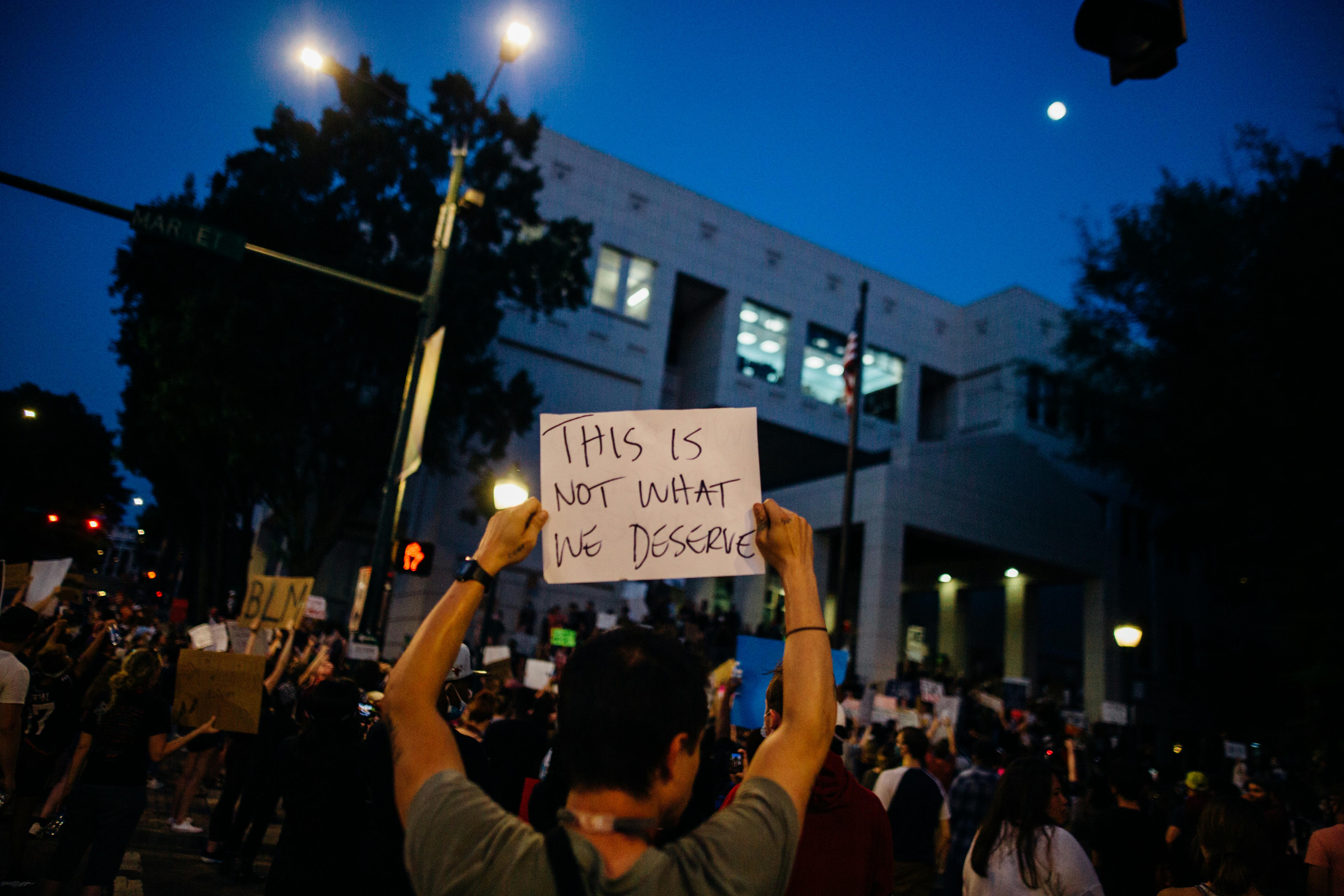
According to the human rights group, Article 19, more than 5.6 billion people in the world have seen a decline in their freedom of expression over the last decade (Article 19, 2025).
In the UK, for example, the Police, Crime, Sentencing and Courts Act 2022 is notable for not only strengthening the police capacities to govern physical places to protest, but also in granting police greater legal powers to restrict what they judge to be more ‘sensual’ protest tactics, such as ‘noise’ and ‘intimidation’. Pioneering surveillance mechanisms – facial recognition and digital profiling – similarly empower the authorities to not only arrest protestors in public space, but also to pre-empt activism and curtail it before it even occurs. Similar surveillance mechanisms are also at work in urban regeneration schemes.
But ordering and governing public spaces of dissent and protest have rich historical legacies in modern British and European histories. For example, the zoning of public spaces to regulate and govern protest was a common police tactic in nineteenth-century London, while the authorities adopted sensual (e.g. ‘noise’) and surveillance mechanisms of the time to monitor activists in London’s urban spaces.
Through an innovative convergence of disciplinary perspectives this symposium will explore these issues through a range of case studies from the past and the present to highlight some themes for future research on spaces of dissent, protest and transformation. Topics include:
- The changing nature of public spaces of protest in the UK from the nineteenth century until the present.
- Monuments, public landscapes and free speech.
- Social movements and protest.
- Sensual public spaces, aesthetics, and experiences.
- Socio-legal regulation of protest.
This event is in collaboration with the Political Studies Association: Political and Social Movements Group and Human Geography Research Group Brunel
Symposium Details
1pm: Arrival
1.10pm: Introduction
1.30pm: Katrina Navickas (University of Hertfordshire): Resistance to the Ongoing Enclosure of Public Space: Protest as Practices of Commoning.
2.15-2.30pm: Break
2.30-3.30pm: Matthew Hughes (Brunel University):Regulating Dissent in British Mandate Palestine, 1917-1948.
Jasbinder Nijjar (Goldsmith College):Resisting Racial Police Warfare Through Radical History.
3.30-3.45pm Break
3.45-4.45pm Anneleen Kenis (Brunel University): A Race Against the Clock? On the Paradoxes of Acting ‘Now’ in the Climate Struggle.
John Roberts (Brunel University): The Neoliberalisation of the Marble Arch Landscape for Free Speech.
4.45-5.00pm Conclusions
Chair: Mónica Degen is Professor of Urban Studies, Brunel University London.
Registration
This event is free and open to all, but please register at Eventbrite